

 简体中文
简体中文
Don’t Choose a Weather Station by Price Alone: 4 Common Pitfalls to Avoid
- Date:08/28/2026/
- Source:MC New Energy
- Author:MC New Energy
Choosing a weather station based on price alone can lead to hidden costs and project risks. This article highlights **four common purchasing pitfalls**: Poor product quality, inaccurate sensor specifications, communication incompatibility, and inadequate after-sales support. It also explains how to evaluate a reliable weather station manufacturer based on **product quality, calibration, communication compatibility, manufacturing capabilities, and long-term technical support**.
When purchasing a weather station, price is often the first thing buyers compare. But the lowest quotation does not always mean the lowest cost.
Poor-quality equipment, inaccurate measurements, communication issues, and inadequate after-sales support can lead to failed acceptance, replacement costs, project delays, and unexpected maintenance expenses.
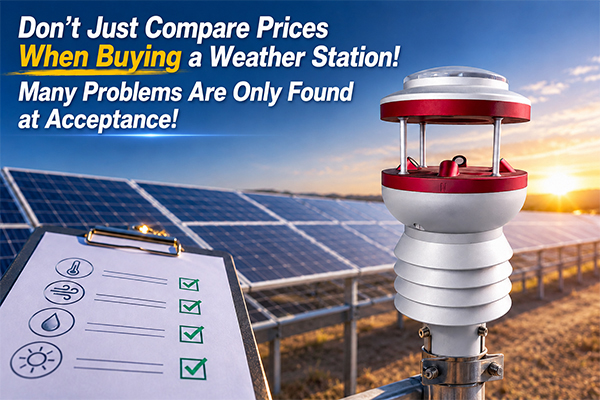
Here are four common pitfalls to consider before purchasing a weather station.
1. Poor Build Quality: Corrosion, Water Ingress and Early Failure
Weather stations are often installed in demanding outdoor environments, including coastal areas, deserts, and high-humidity locations. These conditions require appropriate protection against water, dust, salt spray, and temperature extremes.
A weather station may look fine when delivered but fail after months of outdoor exposure if its enclosure and sealing are not designed for the environment.
What to check before purchasing:
IP rating: IP65 should be the minimum for general outdoor applications; IP67 or higher is recommended for coastal and high-salt environments.
Enclosure material: Aluminum alloy or high-quality engineering plastics generally offer better corrosion resistance than ordinary metals.
Environmental rating: Check the manufacturer's operating temperature range and environmental test specifications.
2. Inaccurate Specifications: No Calibration Certificate at Acceptance
Sensor accuracy is one of the most important factors in a weather monitoring system. However, specifications listed in a datasheet do not always tell the whole story.
The real problem often appears during project acceptance. If the contract requires calibration certificates or traceable measurement data, a supplier without proper documentation may not be able to meet the acceptance requirements.
This can result in rejected equipment, delayed payments, and project delays.
What to check before purchasing:
Request a factory calibration certificate for the sensors.
Confirm that calibration is traceable to recognized standards or laboratories.
Avoid suppliers that provide impressive accuracy specifications but cannot provide supporting calibration documentation.
3. Communication Incompatibility: The Equipment Works, but the Data Cannot Be Integrated
A weather station is only useful when its data can be reliably transmitted to your monitoring platform.
Some low-cost systems use proprietary communication protocols, making integration with existing SCADA systems or cloud platforms difficult. In some cases, additional protocol converters or gateways are required after installation, increasing both cost and commissioning time.
What to check before purchasing:
Confirm the supported communication protocols.
Modbus RTU / RS485 is a practical choice for many industrial monitoring applications.
Check compatibility with your existing SCADA, EMS, or cloud monitoring platform before placing the order.
Clarify communication interfaces and data formats in the technical specification and contract.
4. Low Price, No Real After-Sales Support
A weather station is a long-term monitoring device, not a one-time purchase.
When equipment fails, you need technical support, spare parts, troubleshooting, and replacement services. Some low-cost suppliers have limited engineering resources and weak after-sales support, leaving project owners to deal with problems on their own.
The initial saving can quickly disappear when equipment downtime affects project operation.
What to check before purchasing:
Choose a manufacturer with its own R&D and production capabilities.
Confirm technical support and troubleshooting procedures before purchase.
Check spare-parts availability and warranty terms.
Make sure the supplier has a reliable after-sales service system and responsive technical support.
How to Choose a Reliable Weather Station Manufacturer
These four pitfalls have one thing in common: the supplier matters as much as the product.
When selecting a weather station, don't compare quotations based on price alone. Evaluate the manufacturer's R&D capability, manufacturing quality, environmental performance, calibration system, communication compatibility, and after-sales support.
MC Weather Stations: 19+ Years of Manufacturing Experience
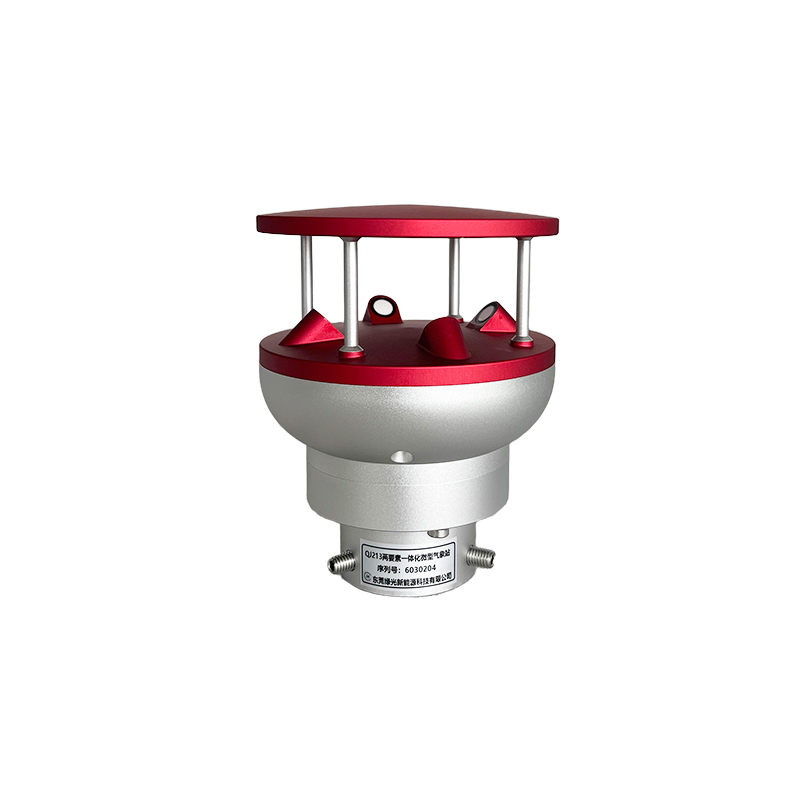
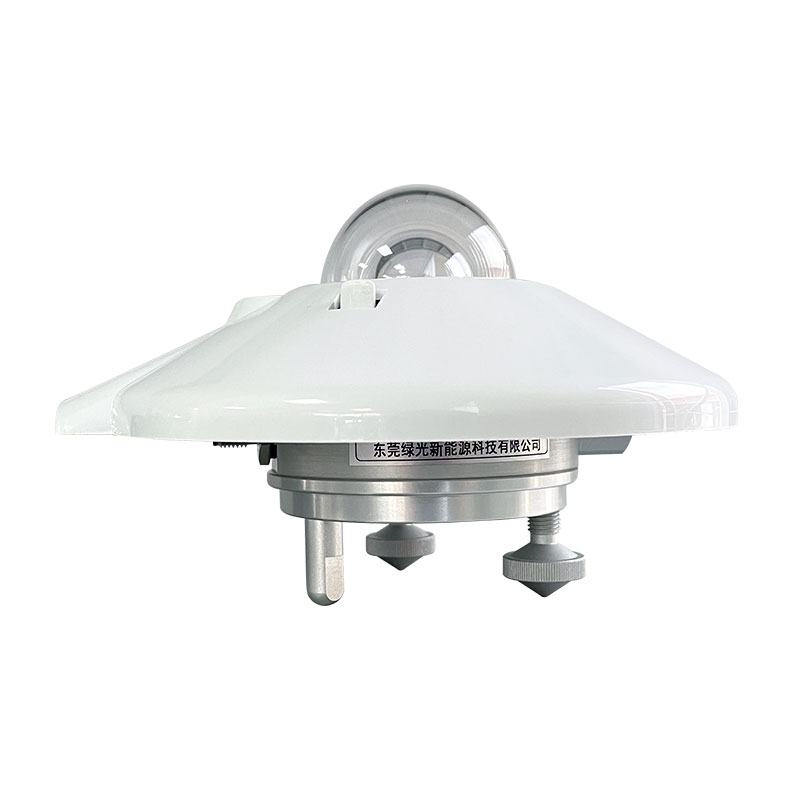
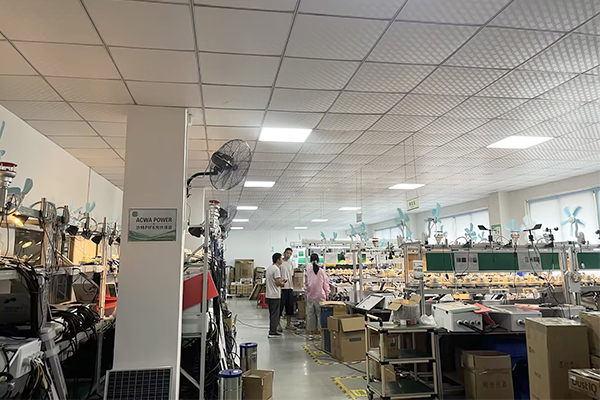
With more than 19 years of experience in meteorological equipment, MC develops and manufactures weather sensors and complete weather station systems in-house, providing end-to-end quality control from R&D and production to technical support.
MC weather stations feature:
IP66+ protection for demanding outdoor environments
Corrosion-resistant aluminum alloy enclosures
-55°C to +85°C operating temperature range
Calibration documentation for delivered equipment
Modbus RTU / RS485 communication
Compatibility with mainstream SCADA and cloud platforms
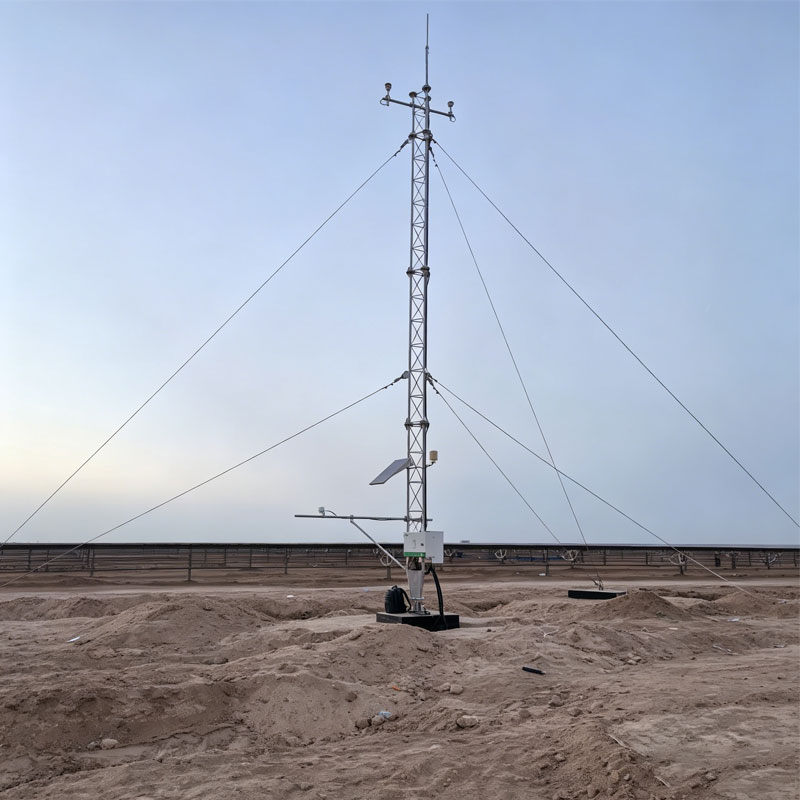
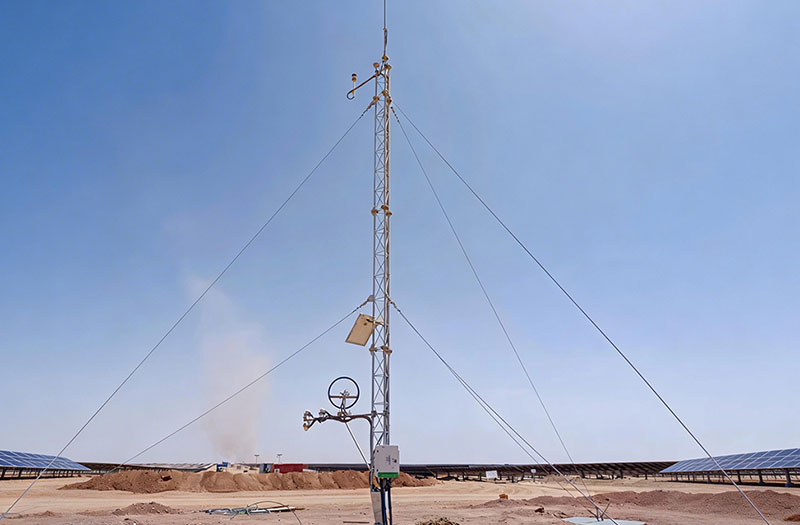
Applications across solar PV, meteorology, hydrology, and other outdoor monitoring projects
With 19+ years of manufacturing experience, 10,000+ global project and customer references, and deployments across 30+ countries, MC provides weather monitoring solutions designed for long-term reliability.
Don't Just Compare the Price. Compare the Value.
The cheapest weather station is not necessarily the most cost-effective choice.
A reliable weather station should deliver accurate data, stable operation, easy integration, and dependable technical support throughout the project lifecycle.
Choose the right weather station manufacturer—not simply the lowest-priced one.