

 简体中文
简体中文
PV Performance Ratio (PR): The Key Indicator for Accurate
- Date:08/10/2026/
- Source:MC New Energy
- Author:MC New Energy
As solar plants become larger and more complex, PR has become an essential tool for understanding PV system performance.
From conventional PV plants to bifacial modules and advanced solar systems, the calculation methods may continue to evolve, but the principle remains unchanged:
Reliable PR evaluation starts with accurate environmental data.
Why Performance Ratio (PR) Matters for Solar PV Plants
With the rapid growth of utility-scale solar plants, desert PV projects, bifacial modules, and intelligent PV systems, accurately evaluating plant performance has become increasingly important for investors, EPC contractors, and O&M teams.
Among all PV performance indicators, Performance Ratio (PR) is one of the most important benchmarks for measuring the actual operating efficiency of a solar power plant.
Unlike simple energy output measurements, PR considers available solar resources and reflects how efficiently a PV system converts solar energy into electricity.
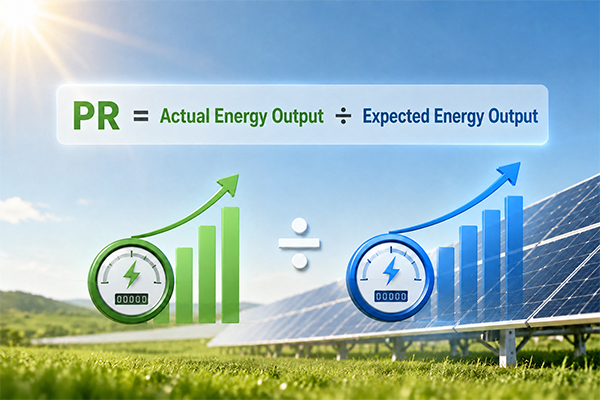
According to IEC 61724, PR is calculated by comparing the actual energy output with the expected energy generation:
PR = Actual Energy Output ÷ Expected Energy Output
A reliable PR value helps operators:
Evaluate PV plant performance
Identify energy losses
Optimize O&M strategies
Support long-term asset management decisions
However, the accuracy of PR does not only depend on the calculation method.
It mainly depends on the quality of the environmental data used in the calculation.
How PR Calculation Has Evolved with PV Technology Development
As PV technologies become more advanced, PR calculation methods have also evolved to better reflect real operating conditions.
Basic PR
The basic PR model mainly considers solar irradiance.
It provides a simple performance reference but does not include the impact of module temperature, which may affect accuracy in high-temperature environments.
Temperature-Corrected PR
By adding module temperature data, this method compensates for temperature-related efficiency losses and provides a more accurate evaluation for conventional PV plants.
Bifacial PV PR
For bifacial modules, both front-side and rear-side irradiance contribute to power generation.
Therefore, rear-side irradiance monitoring is required to accurately evaluate bifacial energy gains.
Curtailment-Corrected PR
For large-scale PV plants, inverter limitations or grid restrictions may affect energy output.
Curtailment correction helps distinguish between actual system losses and external operational limitations.
Although PR models continue to improve, accurate monitoring data remains the foundation of every PR calculation.
Accurate Weather Monitoring: The Foundation of Reliable PR
For a PV plant, PR accuracy depends on the reliability of key environmental measurements, including:
Solar irradiance
Module temperature
Ambient temperature and humidity
Wind speed and direction
Rainfall
Soiling conditions
Errors caused by inaccurate sensors, improper installation, or insufficient calibration can directly affect PR results.
Even with advanced calculation models, inaccurate input data can lead to misleading performance evaluations.
MC Solar PV Weather Monitoring Solution
MC provides high-precision weather monitoring solutions to support accurate PV performance evaluation.
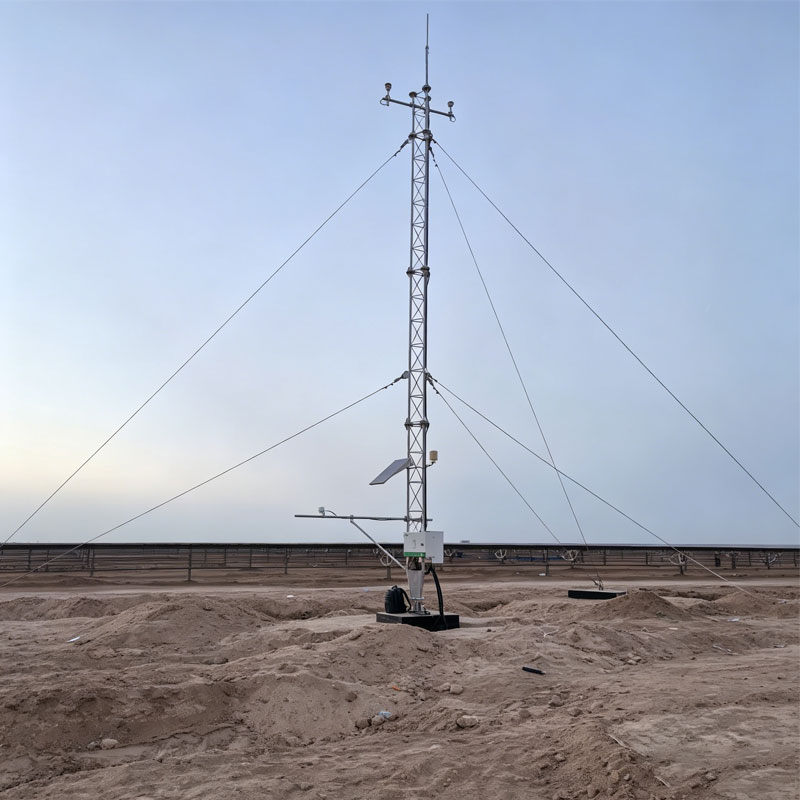
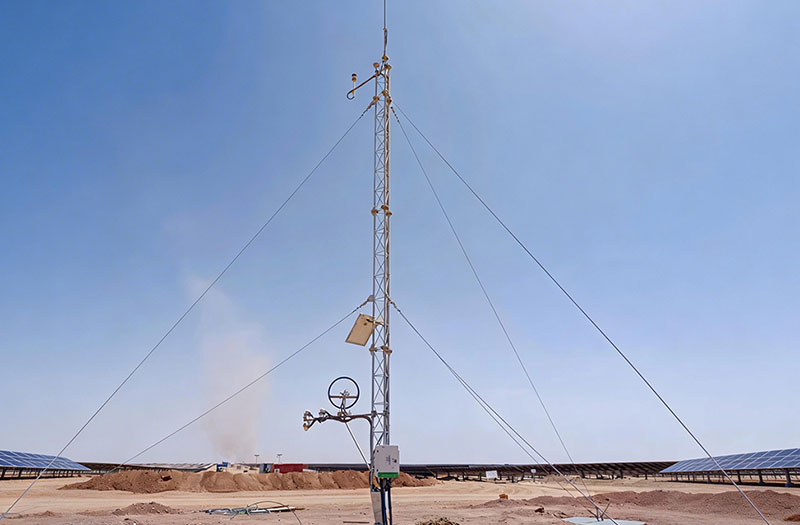
MC solar weather stations provide reliable measurement of key environmental parameters required for PR calculation.
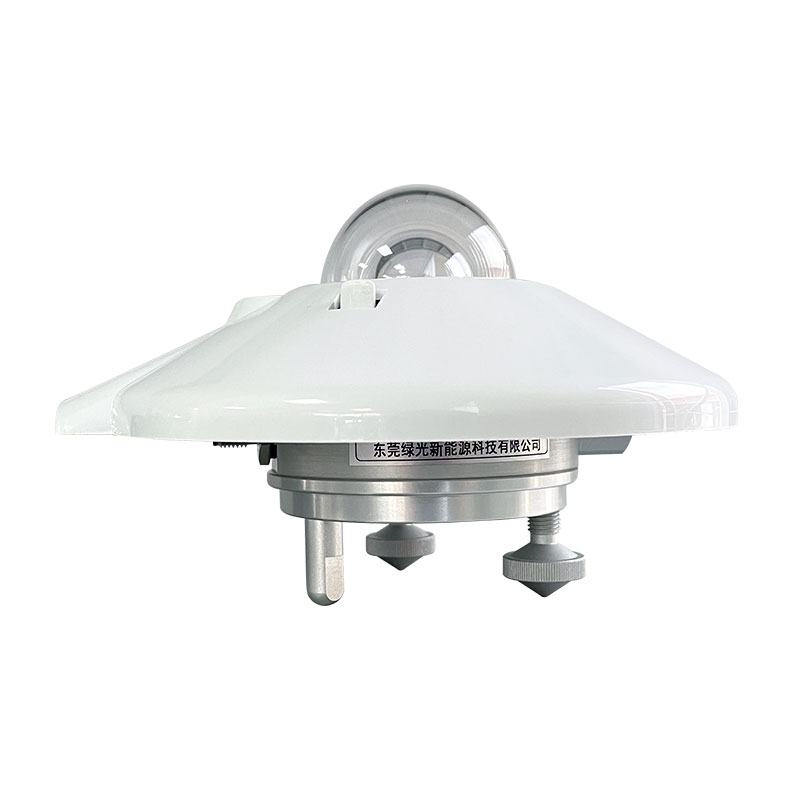
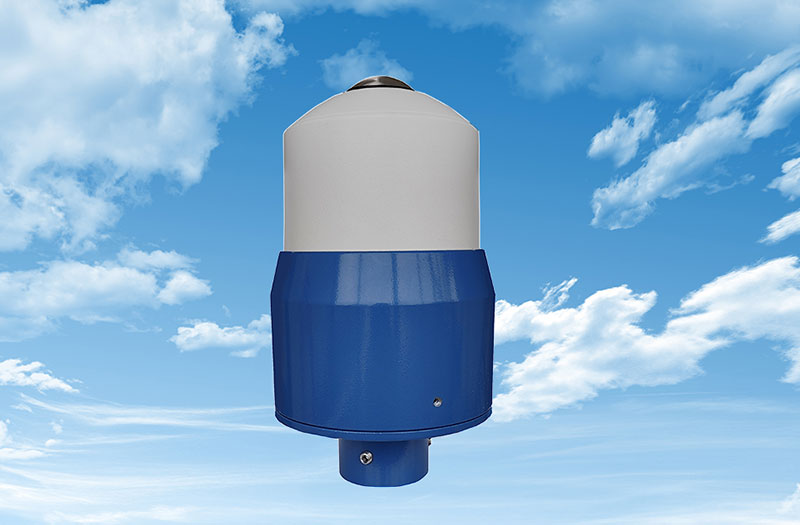
The MC FSP10 Pyranometer complies with ISO 9060 and WMO standards, providing accurate solar irradiance measurement for PV monitoring applications.
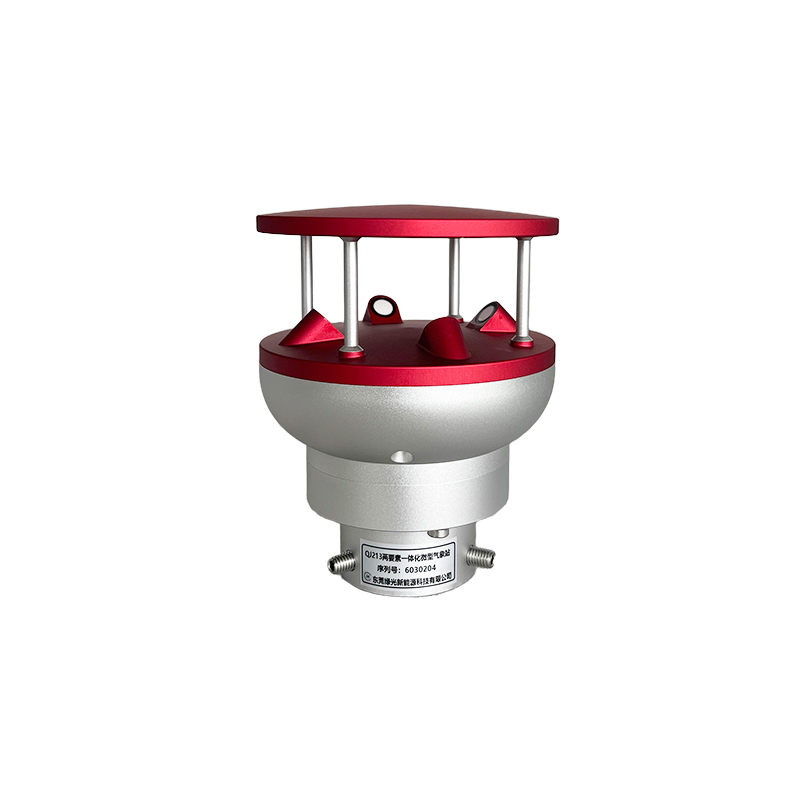
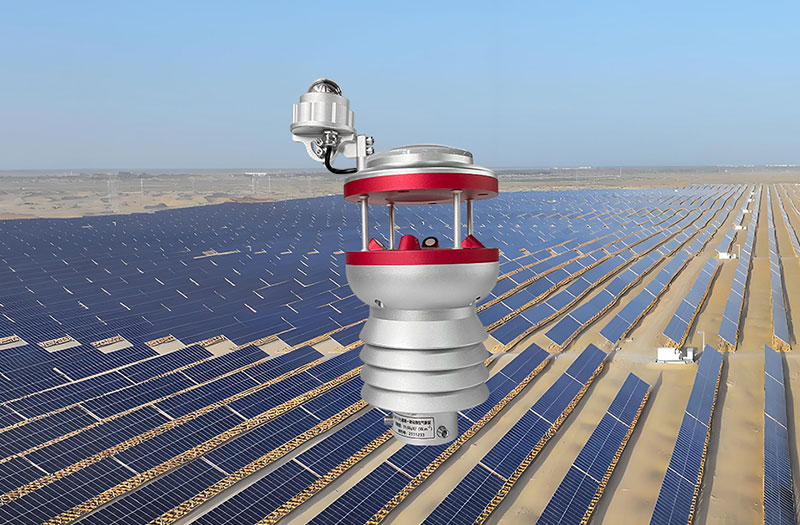
MC QJ Series Integrated Weather Stations combine multiple environmental sensors, including wind speed, wind direction, temperature, humidity, pressure, and rainfall monitoring.
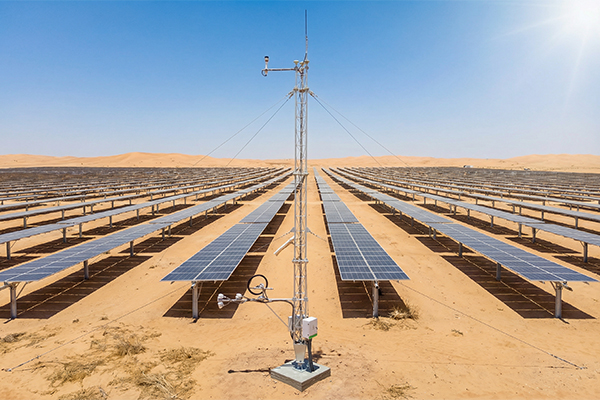
Designed for harsh outdoor environments, MC weather stations support reliable data collection for utility-scale solar plants worldwide.
Conclusion: Accurate Data Creates Reliable PR Evaluation
As solar plants become larger and more complex, PR has become an essential tool for understanding PV system performance.
From conventional PV plants to bifacial modules and advanced solar systems, the calculation methods may continue to evolve, but the principle remains unchanged:
Reliable PR evaluation starts with accurate environmental data.
Accurate monitoring leads to accurate PR.
Accurate PR enables smarter PV operation and better asset management.