

 简体中文
简体中文
Solar Weather Stations Installed for Philippines Terra Solar 1.4GWp + 3.3GWh Energy Storage Project | MC New Energy
- Date:06/15/2026/
- Source:绿光新能源
- Author:绿光新能源
MC New Energy is supplying high-precision solar weather stations for the Philippines Terra Solar Phase 1 project (1.4GWp PV + 3.3GWh BESS). Designed for tropical typhoon climates, the system ensures accurate solar radiation monitoring, PV performance evaluation, and grid forecasting support.
Meta Description
MC New Energy is supplying high-precision solar weather stations for the Philippines Terra Solar Phase 1 project (1.4GWp PV + 3.3GWh BESS). Designed for tropical typhoon climates, the system ensures accurate solar radiation monitoring, PV performance evaluation, and grid forecasting support.
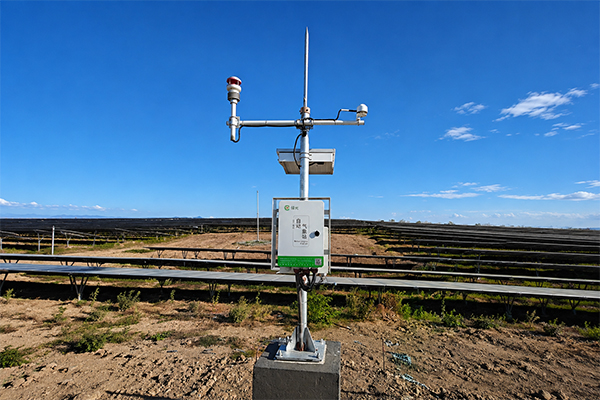
Solar Weather Stations Supporting the Philippines Terra Solar 1.4GWp + 3.3GWh Energy Storage Project
1. Project Overview
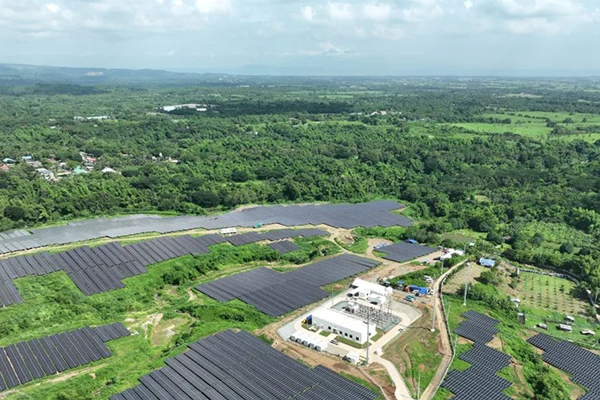
The Terra Solar Phase 1 West Zone project, located in Nueva Ecija on Luzon Island, Philippines, is one of the largest integrated solar and energy storage developments in Southeast Asia.
Developed by Meralco Terra Solar, the project includes:
· 1.4GWp utility-scale photovoltaic power plant
· 3.3GWh battery energy storage system (BESS)
· Stable output of 600MWac for at least 84 hours per week
· Expected commercial operation date (COD): 2026
Once completed, the project will significantly enhance renewable energy penetration in the Luzon grid and support the Philippines’ long-term energy transition strategy.
2. Why Solar Weather Stations Are Critical for Large-Scale PV Projects
For utility-scale photovoltaic and energy storage projects, accurate meteorological data is essential for both construction and long-term operation.
A professional solar weather station provides real-time monitoring of key environmental parameters, including:
· Global Horizontal Irradiance (GHI)
· Plane of Array Irradiance (POA)
· Ambient temperature
· Module temperature
· Wind speed and wind direction
· Relative humidity
· Atmospheric pressure
These data points are essential for:
· PV power forecasting
· Performance ratio (PR) analysis
· Energy yield optimization
· Grid dispatch planning
· Asset operation safety
3. Challenging Climate Conditions in the Philippines
The Philippines is located in a tropical maritime climate zone, which creates both high solar potential and extreme environmental challenges for PV systems.
3.1 High Humidity and Temperature
· Average temperature: ~26.6°C
· Relative humidity: 71%–85%
Long-term exposure to high humidity increases the risk of corrosion, sensor drift, and system instability.
3.2 Typhoon Exposure
The Philippines experiences approximately 19–20 typhoons per year, especially during the rainy season (June to November).
These extreme weather events bring:
· Strong wind loads
· Heavy rainfall
· Rapid atmospheric changes
For solar plants, real-time weather monitoring is essential to ensure operational safety.
3.3 Coastal and Monsoon Effects
Many PV projects in Luzon are affected by:
· Salt mist corrosion
· High UV exposure
· Seasonal monsoon rainfall
This requires monitoring systems with high durability and long-term stability.
4. MC New Energy Solar Weather Station Solution
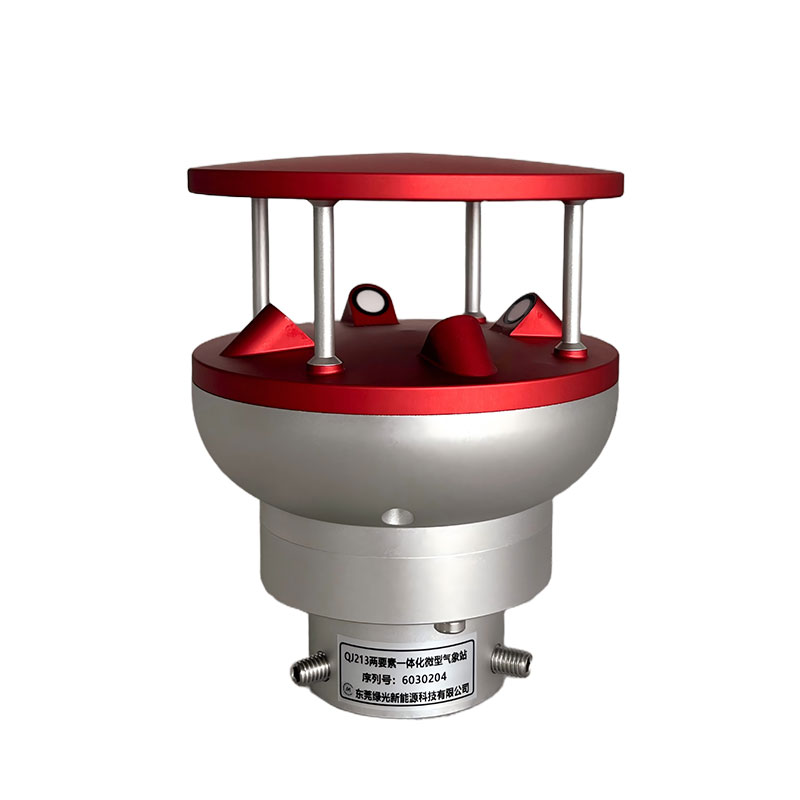
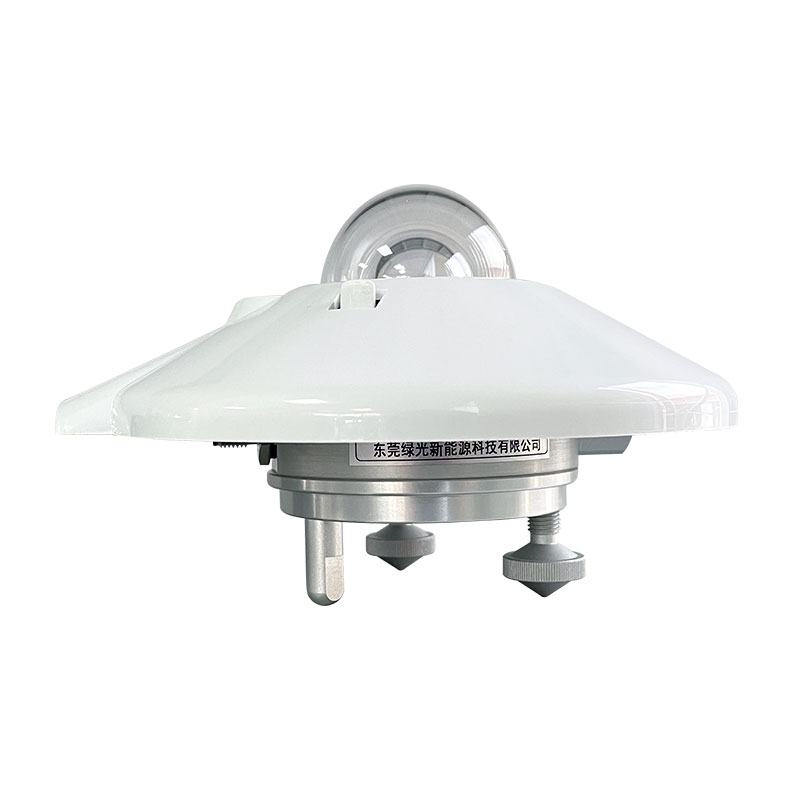
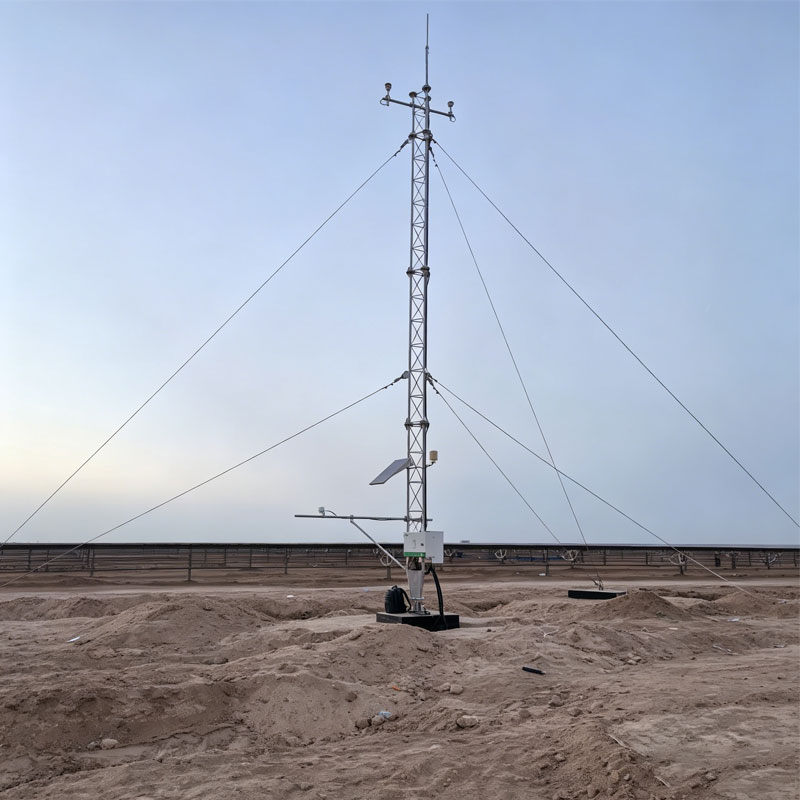
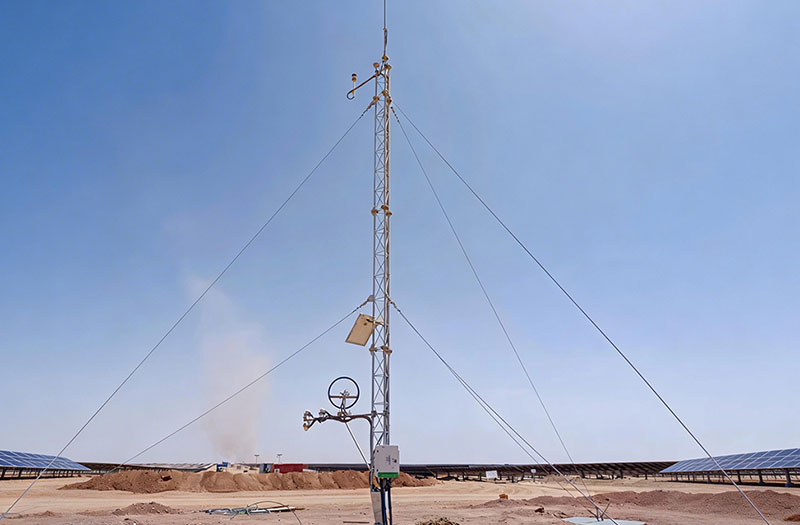
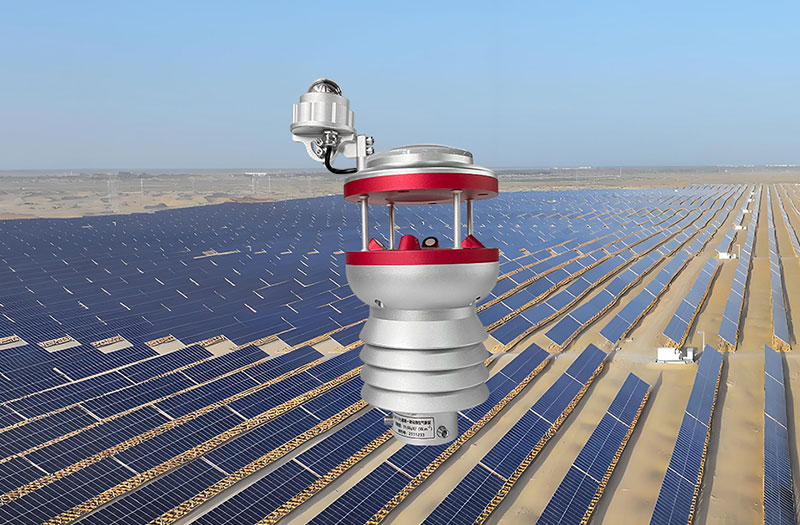
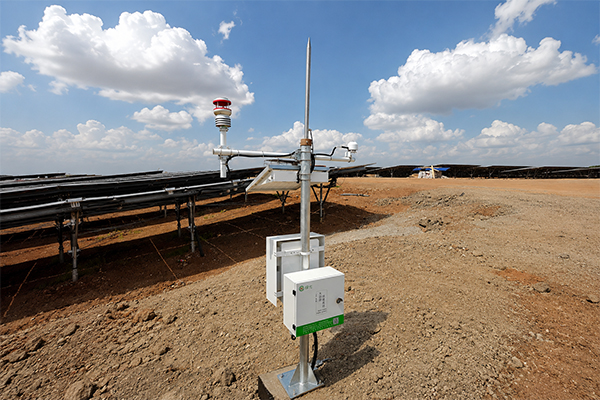
For the Terra Solar project, MC New Energy provides QJ-series integrated solar weather stations, specifically designed for utility-scale photovoltaic applications in harsh environments.
4.1 Wide Temperature Operation Design
· Operating range: -55°C to +85°C
· High-precision temperature measurement (±0.2°C)
Ensures stable operation under extreme tropical heat and weather fluctuations.
4.2 Industrial-Grade Protection Design
· IP67 protection level
· Anti-corrosion aluminum alloy housing
· Suitable for high humidity, salt fog, and heavy rainfall environments
4.3 High-Precision Multi-Parameter Monitoring
The system integrates multiple sensors into one platform:
· Solar irradiance measurement (GHI / POA)
· Ultrasonic wind speed & direction (no moving parts)
· Temperature, humidity, pressure
· Wind speed up to 70 m/s with ±0.2 m/s accuracy
The non-mechanical design ensures stable performance during typhoon conditions.
4.4 International Standards Compliance
· IEC 61724-1 compliant PV monitoring system
· ISO 9060 solar radiation standards
· CE & EMC certified
Ensures compatibility with global utility-scale PV project requirements.
4.5 Factory Calibration and Reliability Testing
Each unit undergoes:
· Full system calibration
· Continuous performance testing
· Data consistency verification
This ensures plug-and-play deployment with minimal on-site adjustment.
5. Engineering Value for the Terra Solar Project
Once fully deployed, MC New Energy solar weather stations will provide continuous and accurate environmental data to support:
· Real-time solar resource assessment
· PV plant performance analysis
· Energy forecasting and scheduling
· Grid stability optimization
· Operational risk monitoring during typhoons
These capabilities are critical for ensuring stable and efficient operation of a GW-scale solar + storage project.
6. MC New Energy Global Experience
MC New Energy has delivered over 40+ GW of utility-scale solar meteorological monitoring systems worldwide, supporting projects across(Selected representative regions):
· Middle East (Saudi Arabia, UAE, Oman)
· Southeast Asia (Philippines, Malaysia, Indonesia)
· Africa (Egypt, Algeria, Zambia)
· Central Asia (Uzbekistan, Kazakhstan)
Our solutions are widely used in desert, coastal, tropical, and high-humidity environments.
7. Conclusion
The Philippines Terra Solar Phase 1 project represents a major milestone in Southeast Asia’s renewable energy transition.
As one of the largest solar + energy storage projects in the region, it requires highly reliable environmental monitoring infrastructure.
MC New Energy’s solar weather stations provide the critical data foundation for safe, efficient, and intelligent operation of this large-scale renewable energy asset.
Learn More www.mcsmartmeteo.com