

 简体中文
简体中文
GL-68 Meteorological Station Solution
- Date:12/05/2025/
- Source:
- Author:
Meteorological and solar irradiance data serve as the cornerstone for the full lifecycle management of photovoltaic power plants, directly impacting resource assessment, power forecasting, generation evaluation, and financial transactions. To address the demand for high-precision meteorological data in photovoltaic power plants, Dongguan MC New Energy Technology Co.,LTD, leveraging over 19 years of expertise in meteorological sensor development, has introduced the GL-68 Meteorological Station. This device is designed for all scenarios—including site selection, operation and maintenance management, and fault early warning—thereby enhancing plant profitability and return on investment.
I. Project Background & Requirements
Meteorological and solar irradiance data serve as the cornerstone for the full lifecycle management of photovoltaic power plants, directly impacting resource assessment, power forecasting, generation evaluation, and financial transactions. To address the demand for high-precision meteorological data in photovoltaic power plants, Dongguan MC New Energy Technology Co.,LTD, leveraging over 19 years of expertise in meteorological sensor development, has introduced the GL-68 Meteorological Station. This device is designed for all scenarios—including site selection, operation and maintenance management, and fault early warning—thereby enhancing plant profitability and return on investment.
II. Product Overview
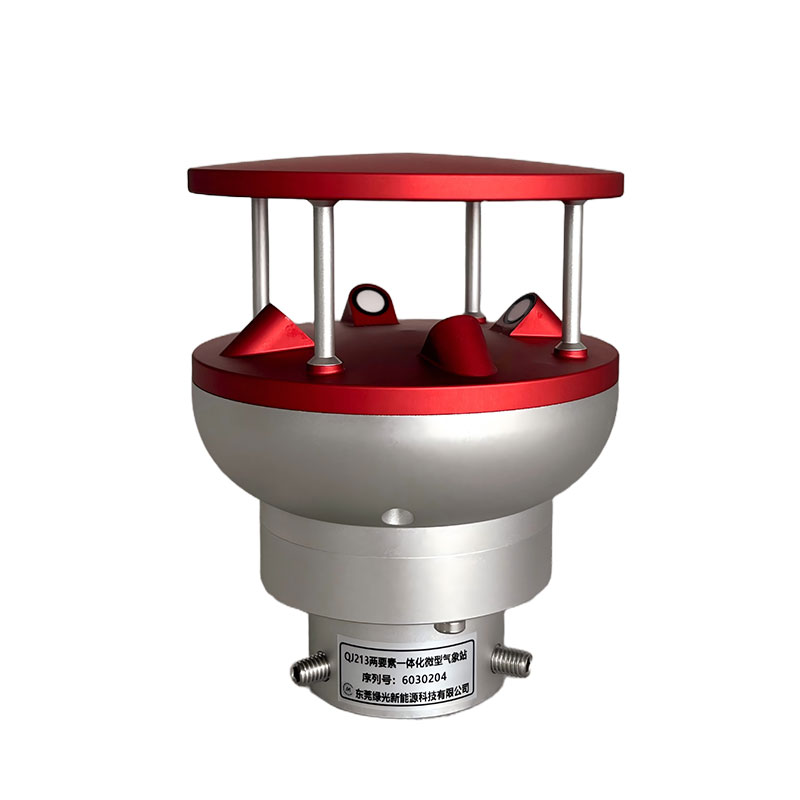
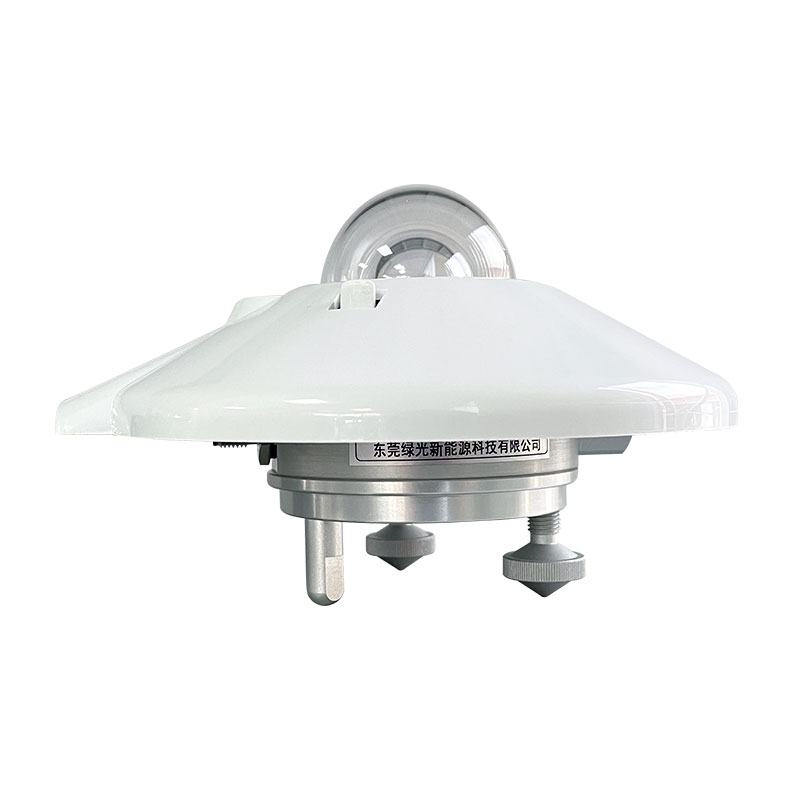
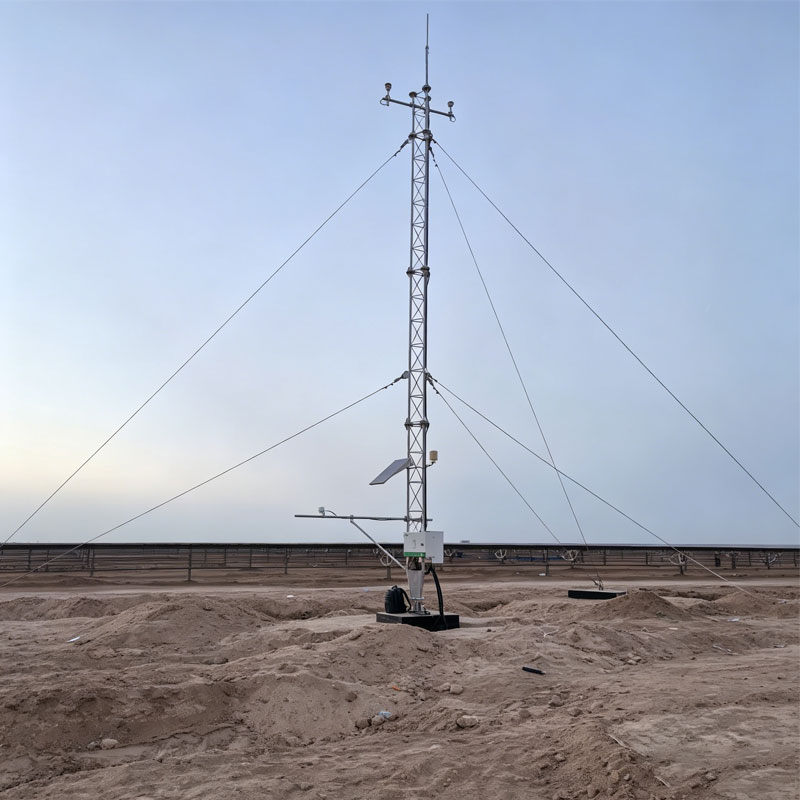
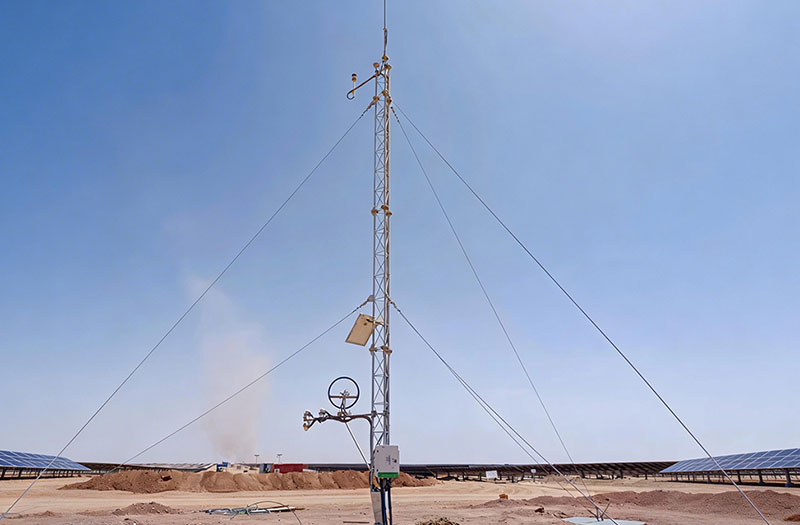
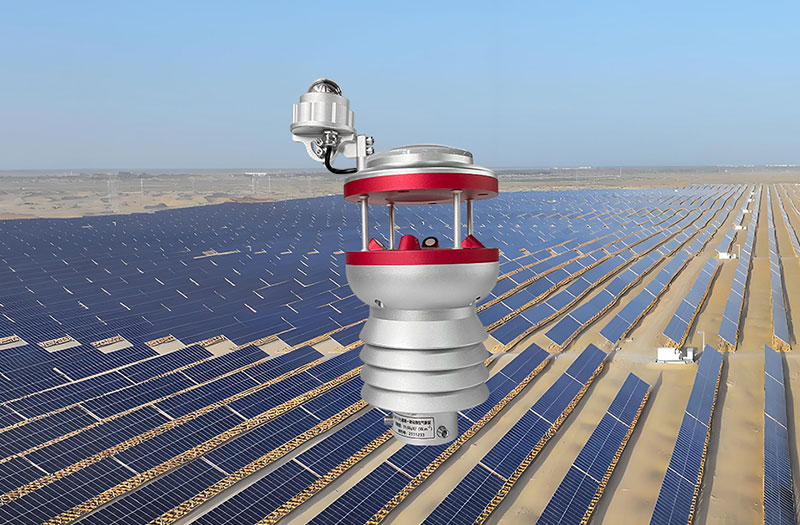
The GL-68 Meteorological Station is a professional device integrating multi-parameter monitoring capabilities. Equipped with core components such as the FSP3-D Total Radiation Sensor, FSP-2ZD Dual-Axis Automatic Tracking Direct Radiometer, and SR-Si Silicon-Based Solar Radiometer, it accurately measures key parameters including total solar radiation, direct radiation, scattered radiation, ambient temperature and humidity, wind speed, wind direction, and atmospheric pressure. The system complies with multiple national and industry standards, including QXT 520-2019 and GB/T 33703-2017. providing reliable meteorological data support for photovoltaic power plants.
III. Core Advantages
1.High Precision and High Reliability:
The data collector features an advanced electromagnetic compatibility (EMC) design and is certified by both EMC and CE standards, with a protection rating of IP65. enabling round-the-clock operation in harsh outdoor environments. The FSP3-D total radiation sensor has a response time of merely 4 seconds, significantly exceeding the performance requirements of Class B sensors, while its measurement accuracy matches that of ISO 9060 Class 1 radiation meters.
2.Intelligent Tracking and Precise Measurement:
The FSP-2ZD dual-axis automatic tracking direct radiometer supports both active (sunlight-based) and passive (cloudy-day GPS-based) tracking modes, ensuring constant perpendicular alignment to sunlight and providing high-precision direct normalized irradiance (DNI) data for photovoltaic power prediction.
3.Flexible adaptation for multiple scenarios:
Featuring a specialized triangular design, it is compatible with sloped roof installations and offers simple, rapid installation. The silicon-based solar radiometer (SR-Si series) shares a similar structure to photovoltaic modules, enabling precise analysis of irradiance and module temperature, making it suitable for residential, distributed, and large-scale photovoltaic power systems.
IV. Technical Solution Details
Core Component Configuration
Total Radiation Monitoring:
Direct radiation monitoring:
Environmental parameter monitoring:
Data Acquisition and Transmission:
Selection and Configuration References
Residential power stations (under 1 MW): Equipped with an SR-Si RS485-2T silicon-based sensor (including component temperature measurement), with optional environmental temperature/humidity sensors and a GPRS wireless module.
Distributed Power Station (Five/Six Elements): Includes total radiation, module temperature, ambient temperature and humidity, wind speed, wind direction sensors, and data loggers, supporting radiation measurement for both horizontal and inclined surfaces.
Optical power prediction station (ten components): includes a scattered radiation sensor, a dual-axis tracking direct radiometer, a barometric sensor, etc., to meet high-precision prediction requirements.
V. Application Scenarios
Residential photovoltaic power stations:
Distributed power plants:
Optical Power Prediction System:
Photovoltaic power plant site selection:
VI. Service & Support
Compliance assurance:
Technical Support:
The GL-68 environmental monitoring system is designed around the principles of "high precision, high reliability, and easy deployment," delivering end-to-end meteorological data solutions for the entire lifecycle management of photovoltaic power plants, thereby enhancing power generation efficiency and investment returns.