

 简体中文
简体中文
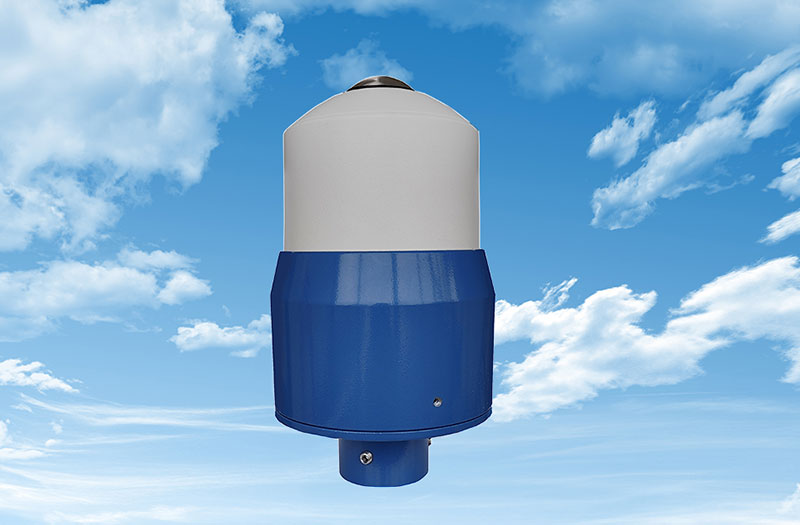
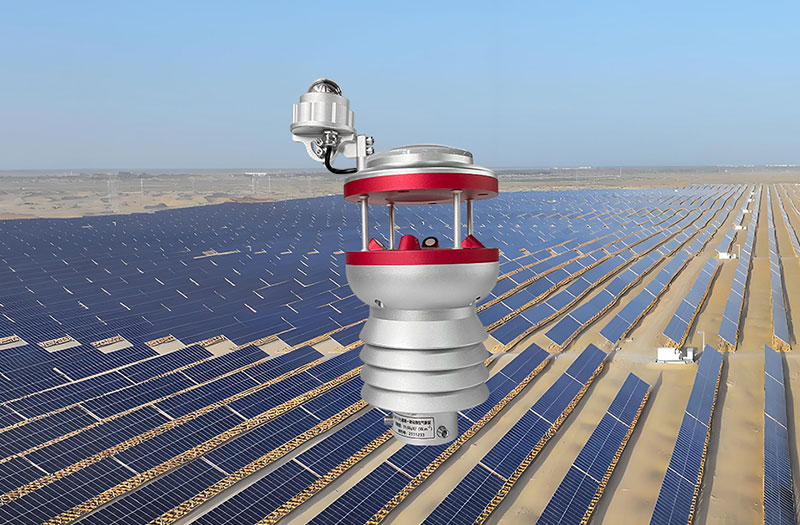
TWS-19 All Skylmager & Meteorological Station
- Date:12/05/2025/
- Source:
- Author:
There is growing demand for precise monitoring of sky conditions and meteorological parameters in fields such as weather observation, renewable energy generation, and smart cities. Traditional weather stations struggle to comprehensively capture cloud characteristics and multidimensional meteorological data. The TWS-19 All Skylmager & Meteorological Station integrates All Skylmager and meteorological monitoring capabilities, providing robust support for weather analysis and decision-making in complex scenarios.
I. Background of the Plan
There is growing demand for precise monitoring of sky conditions and meteorological parameters in fields such as weather observation, renewable energy generation, and smart cities. Traditional weather stations struggle to comprehensively capture cloud characteristics and multidimensional meteorological data. The TWS-19 All Skylmager & Meteorological Station integrates All Skylmager and meteorological monitoring capabilities, providing robust support for weather analysis and decision-making in complex scenarios.
II. Product OverviewII. Product Overview
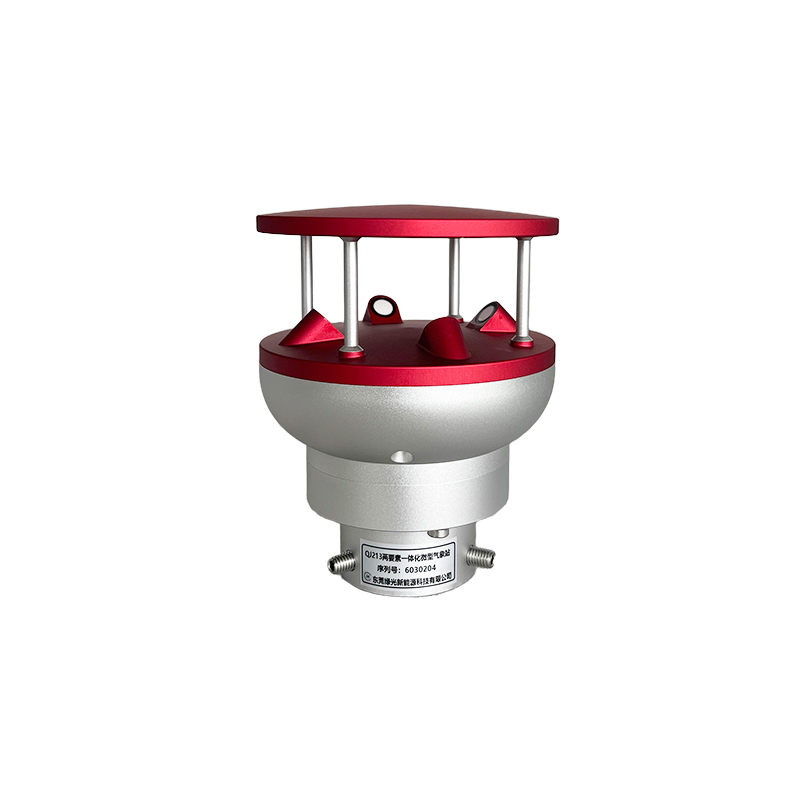
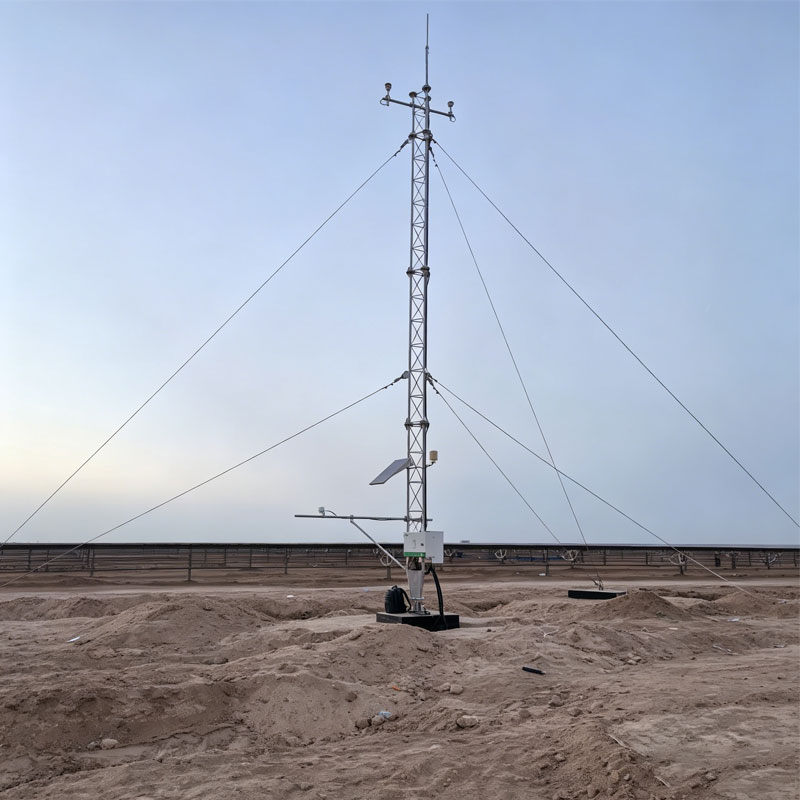
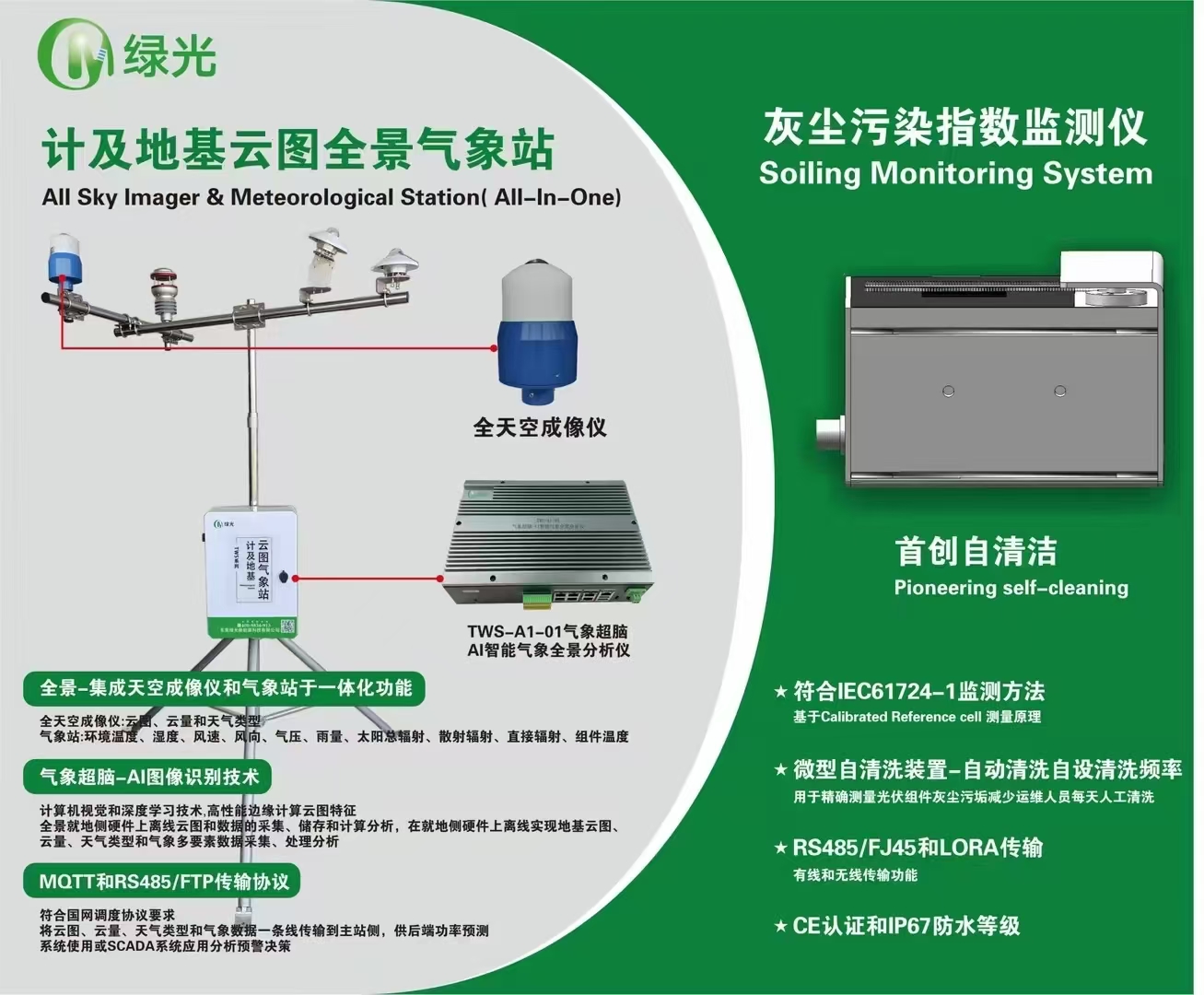
TWS-19 All Skylmager & Meteorological Station,This innovative solution integrates the All Skylmager with meteorological stations, incorporating a weather superbrain powered by AI image recognition technology. It enables comprehensive collection, analysis, and transmission of cloud coverage, cloud types, weather conditions, and multiple meteorological parameters—including ambient temperature, humidity, wind speed, wind direction, atmospheric pressure, precipitation, and solar radiation—making it suitable for applications in weather monitoring, photovoltaic power plants, smart cities, and other scenarios.
III. Core Functions and Advantages
(1) Functional Integration
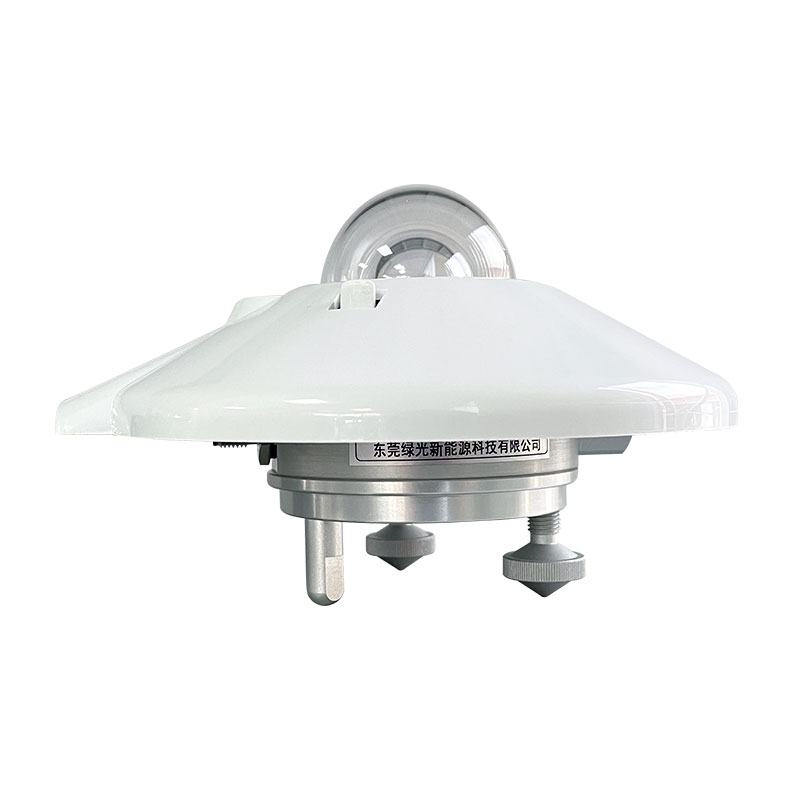
Equipped with a All Sky lmager capable of monitoring cloud cover, cloud types, and weather conditions; combined with meteorological sensors that measure environmental parameters such as temperature, humidity, wind speed, wind direction, atmospheric pressure, precipitation, total solar radiation, scattered radiation, direct radiation, and module temperature, this integrated system meets multi-dimensional monitoring requirements.
(2) AI Intelligent Recognition
By employing computer vision and deep learning technologies, this system calculates cloud map features based on brightness-temperature contour lines, enabling the collection, storage, computational analysis, and processing of comprehensive cloud-related data—including cloud maps, cloud cover, weather types, and multi-element meteorological information—on ground-based hardware platforms. These capabilities provide intelligent support for meteorological forecasting and energy dispatching.
(3) Transmission and Compatibility
Supports MQTT and RS485/FTP transmission protocols, meeting State Grid's dispatching protocol requirements. It enables unified transmission of cloud imagery, cloud cover data, weather types, and meteorological information to the main station, is compatible with SCADA systems, and provides essential data support for power forecasting and early-warning decision-making.
(4) Environmental Adaptability
Featuring a high-protection design, it is adapted to complex outdoor environments, ensuring stable operation under various climatic conditions and reliable long-term data acquisition.
IV. Application Scenarios
(1) The field of meteorological observation
Provide meteorological departments with precise and comprehensive cloud imagery and meteorological element data to support the optimization of weather forecasting models, enhance the accuracy of short-and medium-term forecasts, and facilitate extreme weather warnings.
(2) New Energy Power Generation (Photovoltaic, Wind Power)
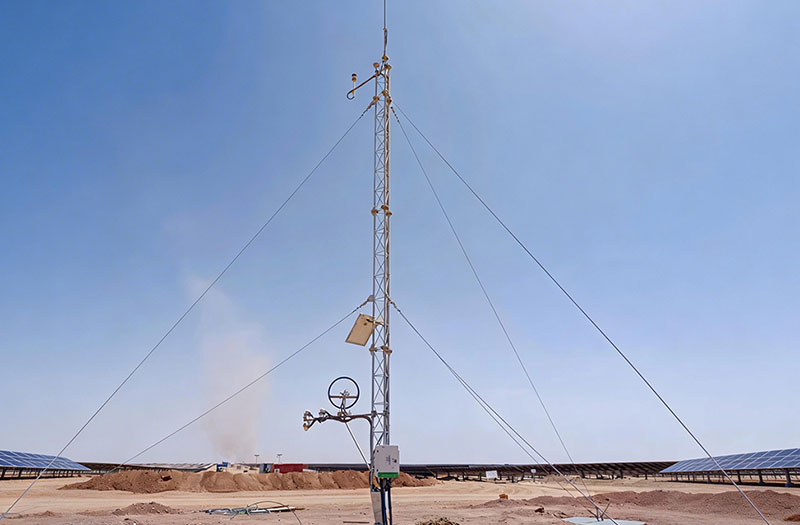
In photovoltaic power plants, monitoring cloud cover and solar radiation provides data for power forecasting systems to optimize generation scheduling; in wind power applications, integrating wind speed, wind direction, and weather conditions assists wind power prediction and unit control, enhancing generation efficiency.
(3) Development of Smart Cities
Integrated into the urban meteorological monitoring network, it provides meteorological data for urban environmental management, traffic control, and emergency response. By analyzing cloud imagery and weather patterns, it optimizes urban drainage systems and traffic management strategies, thereby enhancing smart city governance capabilities.
(4) Ecological Environment Research
Provide long-term meteorological data for ecological reserves, agricultural parks, and similar areas to support research on the impacts of climate change on ecosystems and crop growth, as well as assist in ecological conservation decision-making and agricultural production planning.
V. Implementation of the Plan
(1) Equipment Installation
Select open, unobstructed monitoring locations (such as weather stations, open areas of power plants, or urban high points), and in accordance with equipment installation specifications, complete the installation and calibration of the All Sky lmager camera, meteorological sensors, and data processing unit to ensure the devices are level, stable, and maintain normal signal transmission.
(2) Data Integration and Platform Development
Through protocols such as MQTT and RS485. the device can be integrated into users' existing monitoring platforms (e.g., meteorological systems, new energy power plant SCADA systems, or smart city management platforms). Alternatively, based on device data, it enables users to establish a dedicated data management and analysis platform, providing real-time data display, storage, analysis, and alert functionality.
(3) Operations, Maintenance, and Services
Perform regular remote inspections of equipment status and apply firmware updates as needed; provide on-site maintenance support to ensure long-term stable operation; offer users training on data interpretation and analysis to help them fully leverage data value.
VI. Value Demonstration
TWS-19 All Sky lmager & Meteorological Station,Centered on "panoramic monitoring + AI intelligence + multi-scenario adaptability," this solution provides precise and comprehensive meteorological data services for the meteorology sector and related industries, enhancing weather service quality, improving renewable energy generation efficiency, elevating smart city management standards, and driving digital and intelligent transformation across the industry.