

 简体中文
简体中文
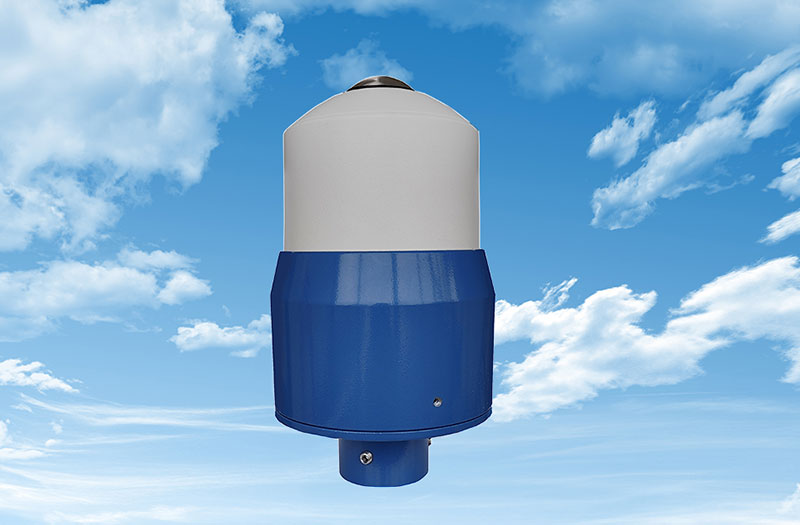
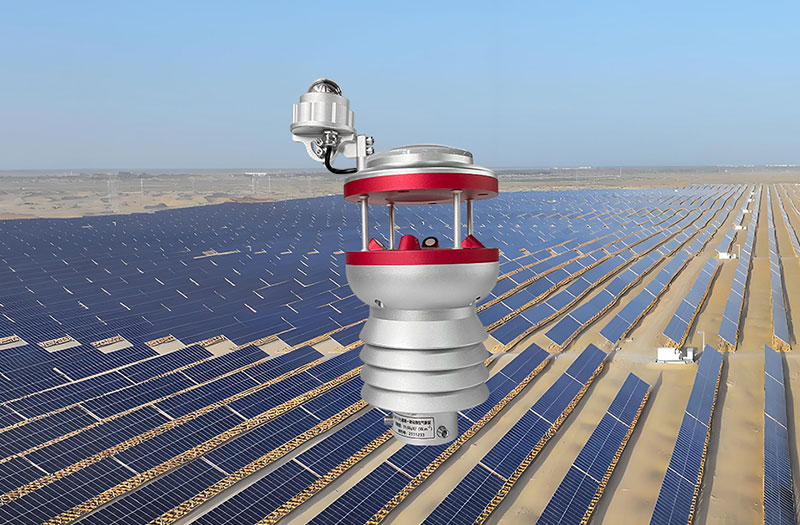
FSP3 Pyranometer Solution
- Date:12/05/2025/
- Source:
- Author:
Total solar radiation is a core parameter in fields such as meteorological observation, solar energy development, and ecological research; its accurate measurement directly impacts the efficiency evaluation of photovoltaic power plants, climate model development, and material weather resistance testing. Traditional radiation sensors suffer from high costs and complex maintenance, making them inadequate for large-scale network monitoring applications. The FSP3 Pyranometer, a cost-effective device compliant with international standards, delivers equivalent accuracy at one-fourth the price of imported counterparts, providing an economical and efficient solution for solar radiation monitoring.
I. Project Background & Requirements
Total solar radiation is a core parameter in fields such as meteorological observation, solar energy development, and ecological research; its accurate measurement directly impacts the efficiency evaluation of photovoltaic power plants, climate model development, and material weather resistance testing. Traditional radiation sensors suffer from high costs and complex maintenance, making them inadequate for large-scale network monitoring applications. The FSP3 Pyranometer, a cost-effective device compliant with international standards, delivers equivalent accuracy at one-fourth the price of imported counterparts, providing an economical and efficient solution for solar radiation monitoring.
II. Product Overview
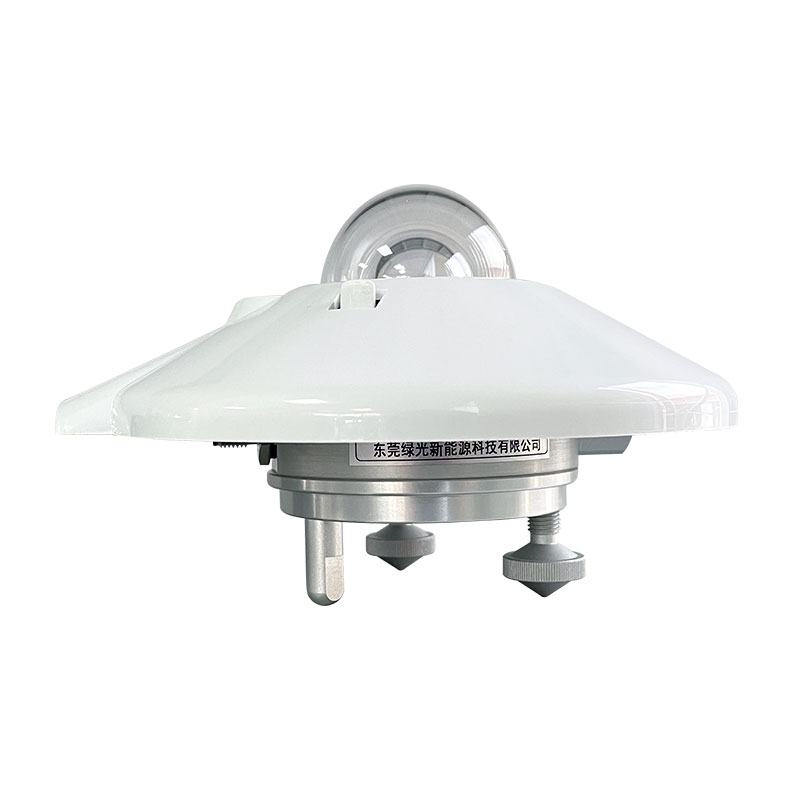
The FSP3 Pyranometer is a Class II total radiation sensor compliant with ISO 9060 and WMO technical standards, designed to measure solar radiation received by a horizontal plane from a 2π steroidal angle (unit: W/m²). Operating in a fully passive mode, it generates a voltage signal proportional to the radiation flux via a thermocouple sensor, with a sensitivity of ≥10 μV/(W/m²) and a measurement range of 0–2000 W/m². It covers the spectral range of 305–2800 nm at the 50% transmittance point, making it suitable for applications in meteorology, photovoltaics, scientific research, and other fields.
III. Core Advantages
1.High Precision and Stability:
Nonlinearity: <±2% (100–1000 W/m²); temperature response: ±4% (-10°C to +40°C); directional response deviation: ≤±20 W/m²; annual stability variation: <±1.5%; data accuracy matches that of the Kipp & Zonen Class II radiometer.
Strong environmental adaptability:
Operating temperature: 40°C to +80°C; Protection rating: IP67. enabling long-term stable operation in harsh outdoor environments. Equipped with a level bulb and adjustment feet to ensure horizontal alignment during installation and minimize tilt error (<±2%).
Low cost and easy to maintain:
The price is only one-fourth of that of imported equipment, significantly reducing monitoring costs; maintenance is simple—only periodic cleaning of the glass cover and inspection of cables are required. Calibration is recommended every two years, with traceability back to WRR (in accordance with the ISO 9847 procedure).
4.Flexible Integration:
The output signal can be directly read using a millivoltmeter and is compatible with most data acquisition systems. With a net weight of only 0.3 kg for the 5-meter cable, it facilitates rapid deployment and network-based monitoring.
IV.Application Scenarios
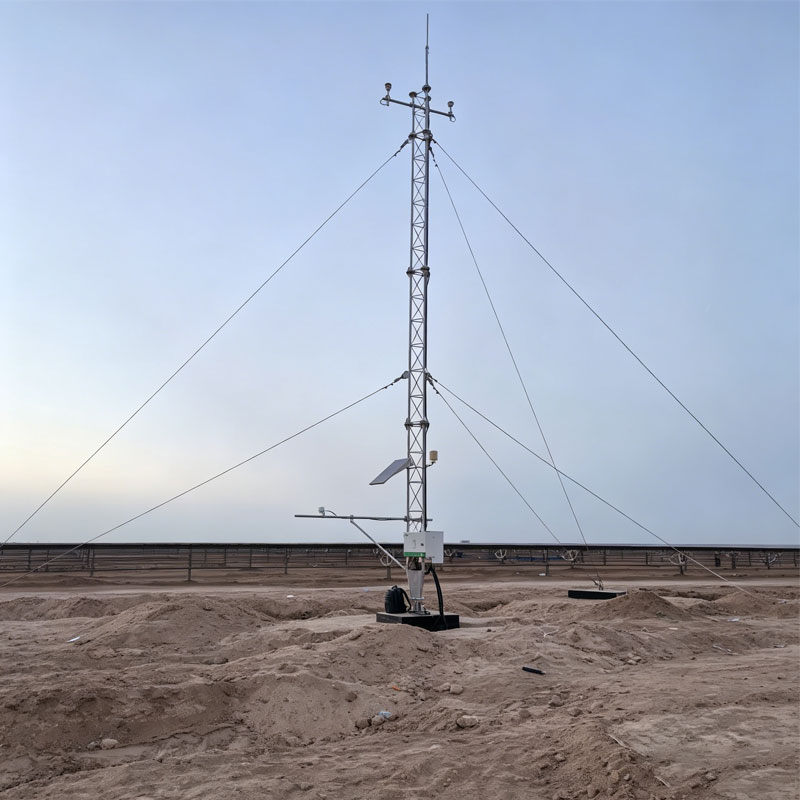
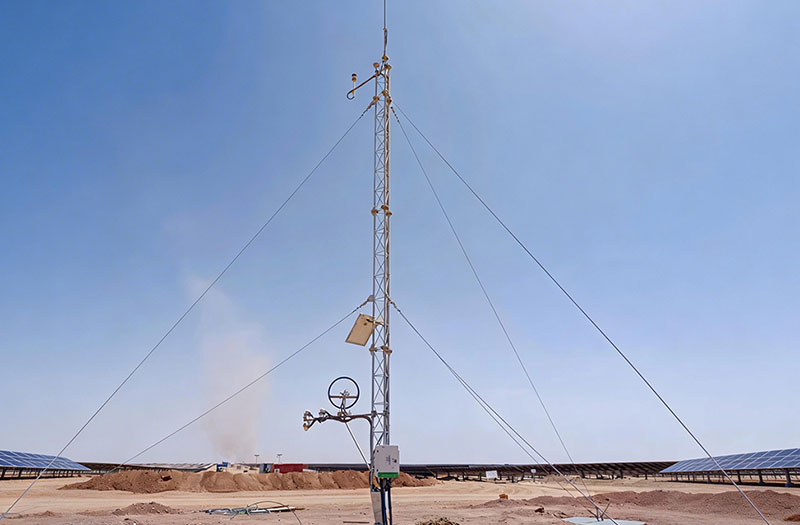
Photovoltaic power station:
Meteorological observation:
Material Testing:
Research and Education:
V. Service & Support
The device is certified under ISO 9001:2008 and comes with a maximum 5-year warranty, including calibration services and technical support. A 24/7 hotline (400-8834-913) is available to assist with installation and maintenance issues, ensuring long-term reliable operation.
The FSP3 Pyranometer is designed with the core principles of "high precision, low cost, and easy deployment," offering a cost-effective solution for total solar radiation monitoring and advancing efficient development in both solar energy utilization and meteorological research.